Types of water filters compared: pitcher, under-sink, reverse osmosis, whole-house, softener and UV
Last reviewed 2026-11-25.
By Luke Walker, editor (editorial policy). He is not a laboratory scientist, a licensed water-treatment professional, or a public-health official. Facts on this page come from the official sources cited below.
Pick the type by the problem and the model by its certification. Carbon filters handle taste, chlorine and, when certified, lead and PFOA/PFOS. Reverse osmosis covers the widest range of dissolved contaminants. Softeners only treat hardness, and UV only treats germs.
Test first, then treat. The right system depends on what is actually in your water. On a private well, use a state-certified lab (see what to test for). On city water, read your utility’s annual water quality report (Consumer Confidence Report). Already have results? See what your water test results mean.
Every common home filter type, side by side
Home water treatment types
Type
How it works
Can address (when certified)
Limits
Good fit
Pitcher or dispenser
Activated carbon (some add ion exchange)
Taste, chlorine; some cartridges certified for lead or PFOA/PFOS
Small volume; cartridges need frequent changes; most do not remove germs
Renters, a first step after a test
Faucet-mount
Carbon block
Chlorine; many certified for lead
Slows flow; not for hot water; frequent cartridge changes
One kitchen tap, renters
Countertop
Carbon, ceramic or RO
Depends entirely on the model’s listing
Takes counter space; check what is certified, not just the cartridge
Renters who want more than a pitcher
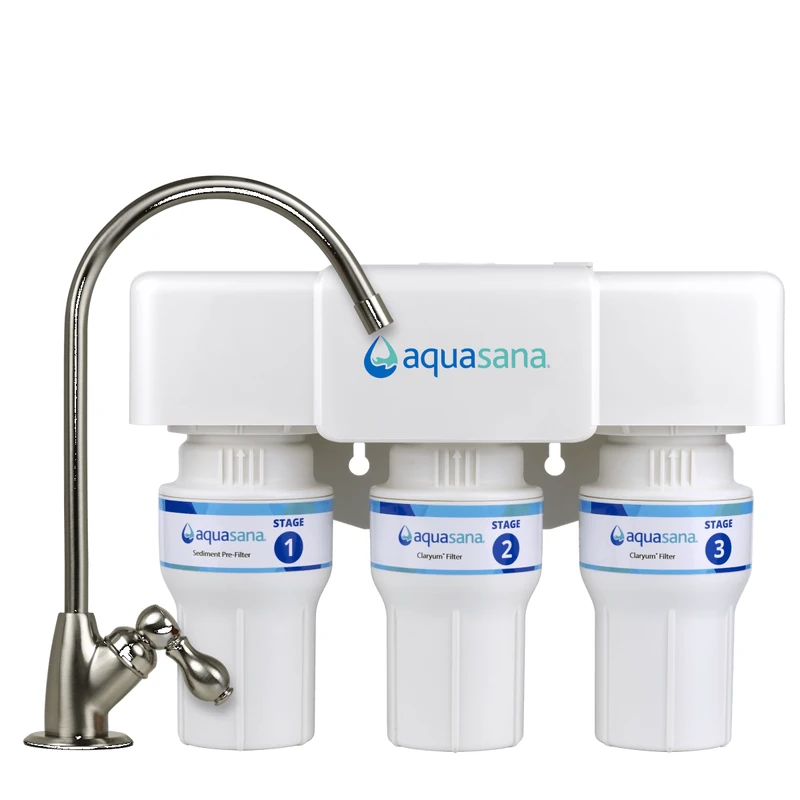
Under-sink carbon
Carbon block, sometimes multi-stage
Lead, PFOA/PFOS, chlorine, chloramine, VOCs when certified
Usually needs a cabinet install; does not remove nitrate or most salts
Families on city water
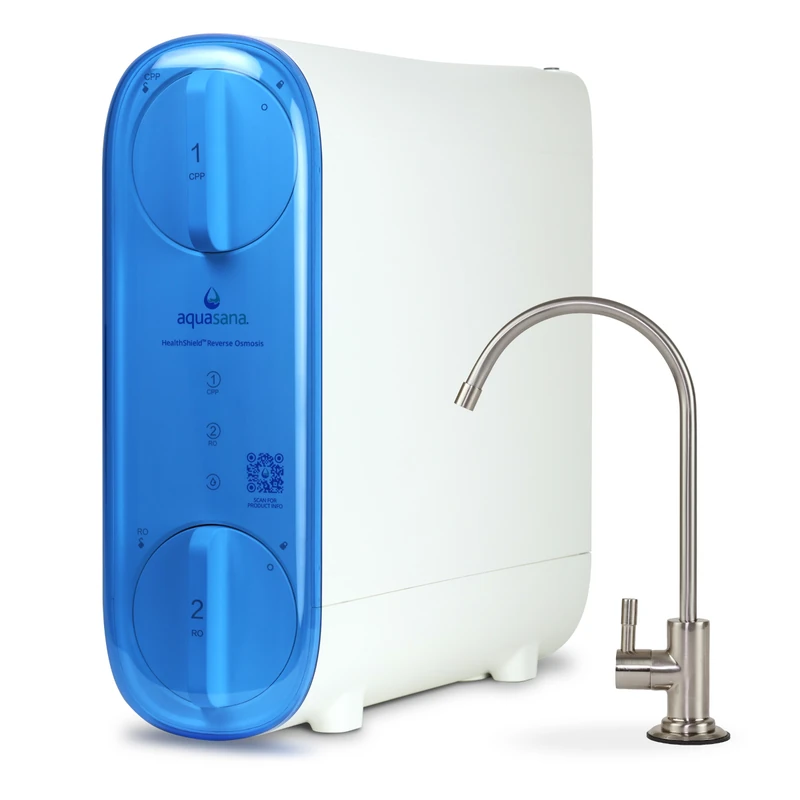
Reverse osmosis (RO)
Membrane plus carbon pre/post filters
Widest range: nitrate, arsenic, fluoride, lead, PFAS, TDS when certified
Sends water to the drain; slower; removes minerals; one tap only
Wells with nitrate or arsenic; broad protection
Whole-house (point of entry)
Sediment, carbon or specialty media
Sediment, chlorine taste, some chemicals throughout the home
Does not remove lead picked up from your own plumbing after the filter
Sediment, chlorine smell at every tap
Water softener
Cation exchange resin
Hardness (calcium, magnesium); some iron and manganese
Adds sodium or potassium; not a drinking-water filter
Hard water and scale
UV disinfection
Ultraviolet light
Bacteria, viruses and cysts (NSF/ANSI 55 Class A)
No chemical removal, no residual; needs clear water and power
Wells with bacteria risk
Distiller
Boil and condense
Many dissolved minerals and metals (NSF/ANSI 62)
Slow; uses electricity; some volatile chemicals can carry over
Small amounts of drinking water
CDC notes that most pitcher and refrigerator filters use carbon and are mainly meant to improve taste, and that filters which remove germs often do not remove chemicals, and vice versa. Always check the label for the specific substance.
What each NSF/ANSI standard actually covers
Drinking water treatment standards
Standard
What it covers
NSF/ANSI 42
Aesthetic effects: chlorine taste and odor, chloramine, particulates (Class I = very fine particles)
NSF/ANSI 53
Health effects for filters: lead, cysts, VOCs, PFOA/PFOS and total PFAS, pentavalent arsenic (incoming levels 50 ppb or less) and more
NSF/ANSI 58
Reverse osmosis systems: TDS reduction is required; optional claims include nitrate/nitrite, arsenic, lead, fluoride, PFAS, radium and more; also an efficiency rating
NSF/ANSI 401
Emerging compounds: up to 15 chemicals such as some pharmaceuticals and herbicides not yet regulated by EPA
NSF/ANSI 44
Water softeners (cation exchange): hardness reduction; regenerated with sodium or potassium chloride
NSF/ANSI 55
UV systems: Class A for disinfection of water that may contain bacteria, viruses and cysts; Class B is supplemental, for reducing non-disease-causing bacteria in water that is already disinfected
NSF/ANSI 62
Distillation systems
NSF/ANSI 372
Lead content of the product’s materials (“lead-free”). It is not a contaminant-reduction claim
NSF P473 (retired)
Former PFOA/PFOS protocol. Its test methods were folded into NSF/ANSI 53 and 58, so look for PFAS claims under those standards
NSF says the numbers reflect the order the standards were written, not a ranking. Five ANSI-accredited bodies (NSF, WQA, IAPMO, UL and CSA) certify to these standards, so a product may carry any of their marks.
Certification is claim by claim. A box that says “NSF/ANSI 53” may be certified only for cyst reduction, not lead or PFAS. Look up the exact model in a certifier’s listing (NSF, WQA, IAPMO, UL or CSA) and match the contaminant on the performance data sheet. See what each NSF/ANSI standard covers.
Examples: under-sink carbon and reverse osmosis
Sponsored
Two of the system types above. Aquasana states both are certified for lead reduction; confirm the claims that match your own test result.
Certification stated on Aquasana’s HealthShield Reverse Osmosis product page, checked November 23, 2026.
We may earn a commission from these links at no extra cost to you. Learn more
Reverse osmosis: waste water, minerals and installation
Waste water. RO pushes water through a membrane and flushes rejected contaminants to the drain. Minnesota’s health department lists “can create a lot of wastewater” as the main con. NSF/ANSI 58 requires an efficiency rating and recovery rating, so compare those numbers.
Minerals. RO also removes calcium, magnesium and sodium. That is harmless for most people; a remineralizing stage is a taste choice.
Pretreatment. Hard water, iron or chlorine can shorten membrane life, so wells with those problems often treat them first.
Drain air gap. Plumbing codes and NSF/ANSI 58 installation rules call for a proper air gap on the drain line; follow the installation manual and local code.
Maintenance realities
Carbon cartridges have a rated capacity in gallons. Past that point they stop reducing what they were certified for.
RO membranes, sediment and carbon stages each have their own schedule.
UV lamps lose output with age and need replacing on the maker’s schedule; the quartz sleeve needs cleaning.
Softeners need salt or potassium, correct hardness settings, and occasional resin cleaning.
CDC: if you have a weakened immune system, avoid changing filters yourself.
Retest the treated water after installation, and periodically after that.
Order of treatment on a well
When a well needs more than one device, a common order is: sediment filter, then iron/manganese or sulfur treatment, then the softener, then point-of-use reverse osmosis or carbon at the kitchen tap. UV goes last, after the water is clear, because iron, hardness and cloudiness block UV light. NDSU Extension advises removing iron above a softener’s rated limit before softening.
Frequently asked questions
What is the difference between NSF 53 and NSF 58?
NSF/ANSI 53 covers health-effect claims for filters such as carbon blocks and some ion-exchange media: lead, cysts, VOCs, PFOA/PFOS and more. NSF/ANSI 58 covers reverse osmosis systems; total dissolved solids reduction is required and other claims, such as nitrate, arsenic or lead, are optional. In both cases a product is certified only for the claims on its listing.
Is reverse osmosis better than a carbon filter?
Not always. Reverse osmosis removes more kinds of dissolved contaminants, including nitrate, arsenic, fluoride and salts, so it is the usual choice when a well test shows those. A certified carbon filter can be enough for lead, PFOA/PFOS, chlorine or chloramine, keeps minerals, and sends no water to the drain.
Whole-house water filter vs. under-sink: which do I need?
Under-sink or other point-of-use treatment is usually enough for contaminants you swallow. EPA notes that whole-house filters do not remove lead that comes from plumbing inside the building, after the filter. Whole-house treatment is for problems throughout the home, such as sediment, hardness, iron or odor.
How much water does reverse osmosis waste?
It varies by design and water pressure. Every NSF/ANSI 58 system has an efficiency rating on its performance data sheet, which shows how much treated water it makes compared with what it sends to the drain. Newer high-efficiency and tankless designs waste less than older systems.
Should I add remineralization after reverse osmosis?
It is optional. RO removes calcium and magnesium along with contaminants; Minnesota’s health department notes those minerals are not harmful and can also come from your diet. Many people add a remineralizing stage mainly for taste. It is not needed to make RO water safe.
How often should I change water filter cartridges?
Follow the manufacturer’s rated capacity in gallons or months, whichever comes first, and change sooner if flow drops or taste returns. CDC advises regular changes to keep filters working and prevent germ growth, wearing gloves and washing your hands afterward.
More water treatment guides
General information, not medical advice or a diagnosis, and not legal advice. For a result that worries you, call your local or state health department or a licensed water treatment professional, and retest after any treatment is installed. See our disclaimer.