How to remove chlorine and chloramine from tap water
Last reviewed 2026-11-25.
By Luke Walker, editor (editorial policy). He is not a laboratory scientist, a licensed water-treatment professional, or a public-health official. Facts on this page come from the official sources cited below.
Use a carbon filter certified to NSF/ANSI 42 for chlorine or, if your utility uses chloramine, one certified for chloramine reduction (usually catalytic carbon). Boiling, letting water stand and reverse osmosis membranes do not remove chloramine.
Test first, then treat. The right system depends on what is actually in your water. On a private well, use a state-certified lab (see what to test for). On city water, read your utility’s annual water quality report (Consumer Confidence Report). Already have results? See what your water test results mean.
Chlorine vs. chloramine
Utilities add disinfectant so water stays safe in the pipes. Chlorine is the classic choice. Chloramines, formed by adding ammonia to chlorine, last longer in the pipes and form fewer regulated byproducts. EPA says more than one in five Americans uses chloraminated water and that it is safe to drink, cook and bathe in at regulated levels.
CDC notes that whole-home filters that remove chlorine or other disinfectants can allow more germs to grow in your plumbing; filtering only the water you drink and cook with avoids stripping disinfectant throughout the house.
What removes each
Removal methods
Method
Chlorine
Chloramine
Carbon filter certified NSF/ANSI 42 for chlorine
Yes
Only if also certified for chloramine
Catalytic carbon certified NSF/ANSI 42 for chloramine
Yes
Yes
Letting water stand or boiling
Slowly
No (EPA)
Reverse osmosis membrane alone
No; RO systems rely on carbon stages
No (EPA); depends on the carbon stages
Water softener
No
No
EPA says monochloramine is harder to remove than chlorine and suggests searching certified products by the NSF/ANSI 42 “chloramine reduction” claim.
Certification is claim by claim. A box that says “NSF/ANSI 53” may be certified only for cyst reduction, not lead or PFAS. Look up the exact model in a certifier’s listing (NSF, WQA, IAPMO, UL or CSA) and match the contaminant on the performance data sheet. See what each NSF/ANSI standard covers.
Under-sink filters stated as certified for chlorine and chloramine
Sponsored
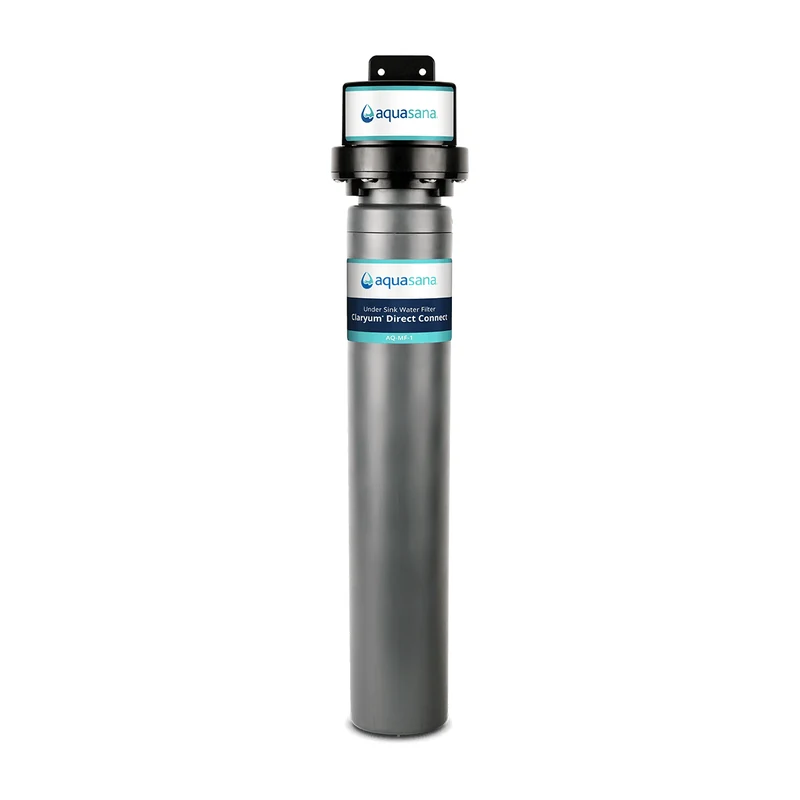
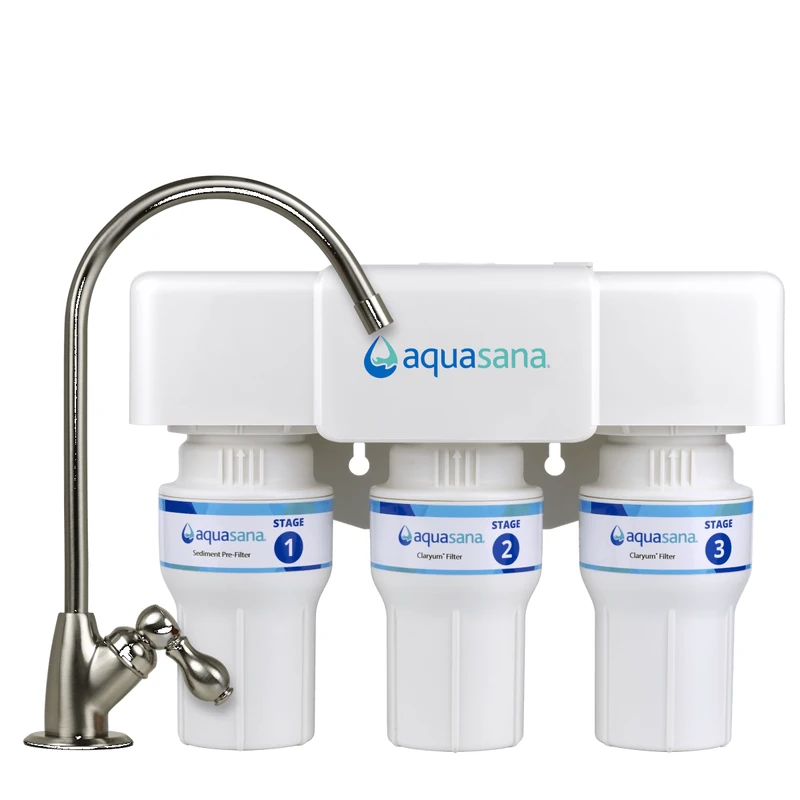
Aquasana states both Claryum filters are certified to NSF/ANSI 42 for chlorine and chloramine reduction, among other claims. Direct Connect uses your existing faucet.
Certification stated on Aquasana’s Claryum 3-Stage product page, checked November 23, 2026.
We may earn a commission from these links at no extra cost to you. Learn more
Special cases
Kidney dialysis. Chlorine and chloramine must be removed from dialysis water; dialysis centers and home-dialysis suppliers handle this. Ask your care team.
Fish and aquariums. Use a conditioner that neutralizes chloramine.
Showers. Shower filters are tested under a separate standard (NSF/ANSI 177) for free chlorine; check whether a model also claims chloramine.
Frequently asked questions
How do I remove chloramine from tap water?
Use a filter certified to NSF/ANSI 42 for chloramine reduction, usually a catalytic or high-quality activated carbon. EPA says boiling, letting water sit, and reverse osmosis membranes do not remove monochloramine.
How do I remove chlorine from water?
An activated carbon filter certified to NSF/ANSI 42 for chlorine taste and odor is the simplest option. Unlike chloramine, chlorine also fades if water stands uncovered or is boiled.
Is chloramine in tap water safe to drink?
Yes, at regulated levels. EPA says water treated with chloramines that meets standards is safe for drinking, cooking and bathing. More than one in five Americans uses chloraminated water. Filtering is a taste preference for most people.
How do I remove chloramine for a fish tank or aquarium?
Use an aquarium water conditioner labeled to neutralize chloramine. EPA notes chlorine and chloramine must be removed or neutralized for fish, which absorb them through their gills.
Does a water softener remove chlorine?
No. Softeners treat hardness. Use a carbon filter for chlorine or chloramine taste.
How do I know if my water uses chlorine or chloramine?
Ask your utility or check its annual water quality report. Utilities switch disinfectants to meet disinfection byproduct rules, so it is worth checking.
More water treatment guides
General information, not medical advice or a diagnosis, and not legal advice. For a result that worries you, call your local or state health department or a licensed water treatment professional, and retest after any treatment is installed. See our disclaimer.