By Luke Walker, editor (editorial policy). He is not a laboratory scientist, a licensed water-treatment professional, or a public-health official. Facts on this page come from the official sources cited below.
You just got lab results for well water or city water. This guide explains common findings in plain language, the U.S. Environmental Protection Agency (EPA) numbers used as benchmarks, first steps, and the type of treatment that actually addresses each issue.
The EPA limits below are federal standards for public water systems. Private wells are not regulated by EPA, but the same numbers are the usual health benchmarks for a home test. If you are on city water, you can also compare a home test — or your utility’s water quality report — to these figures.
Recommended water filters
Sponsored
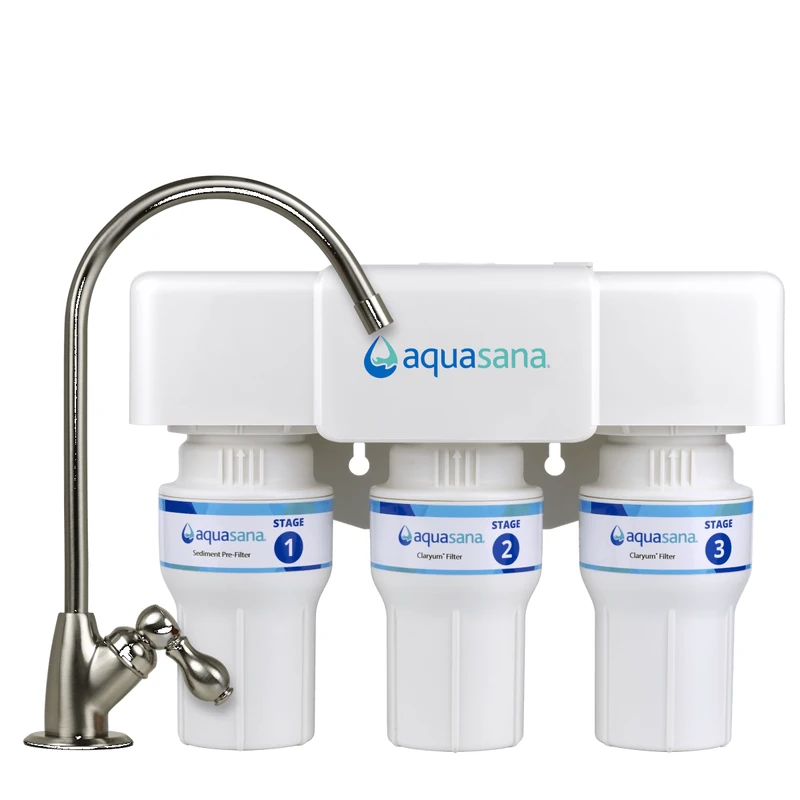
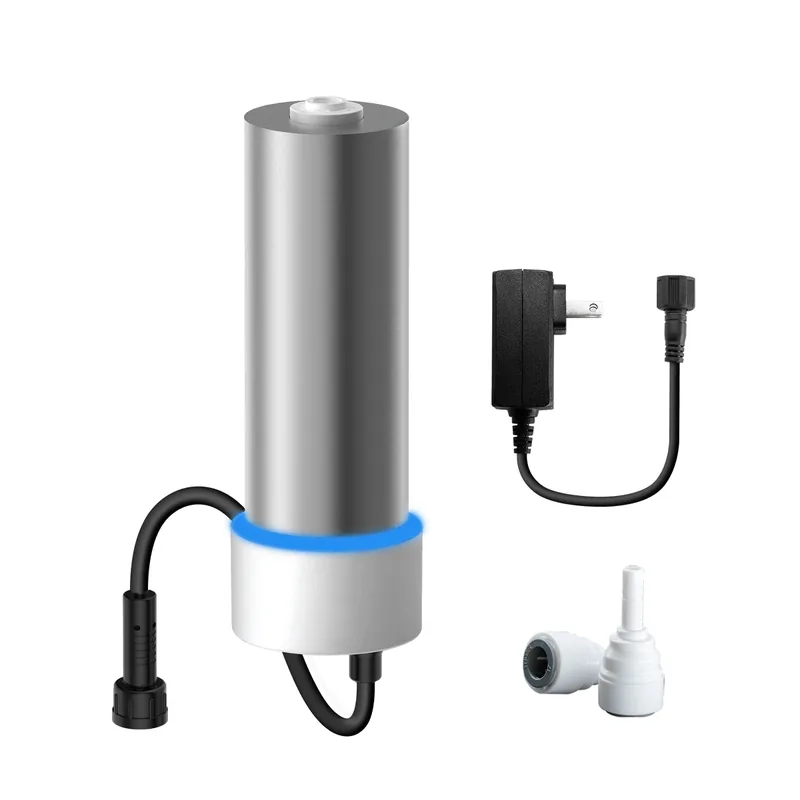
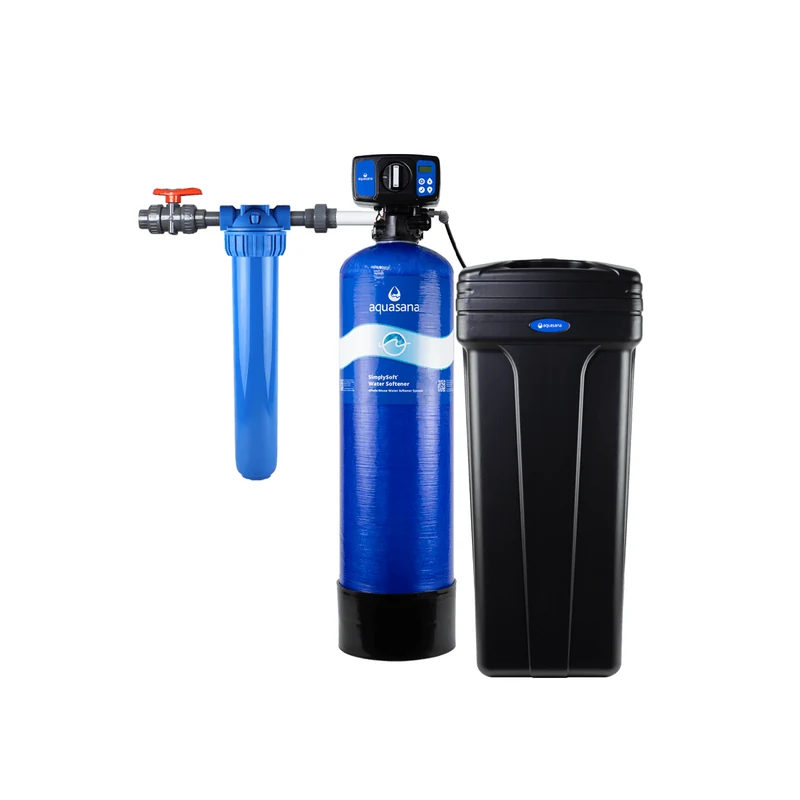
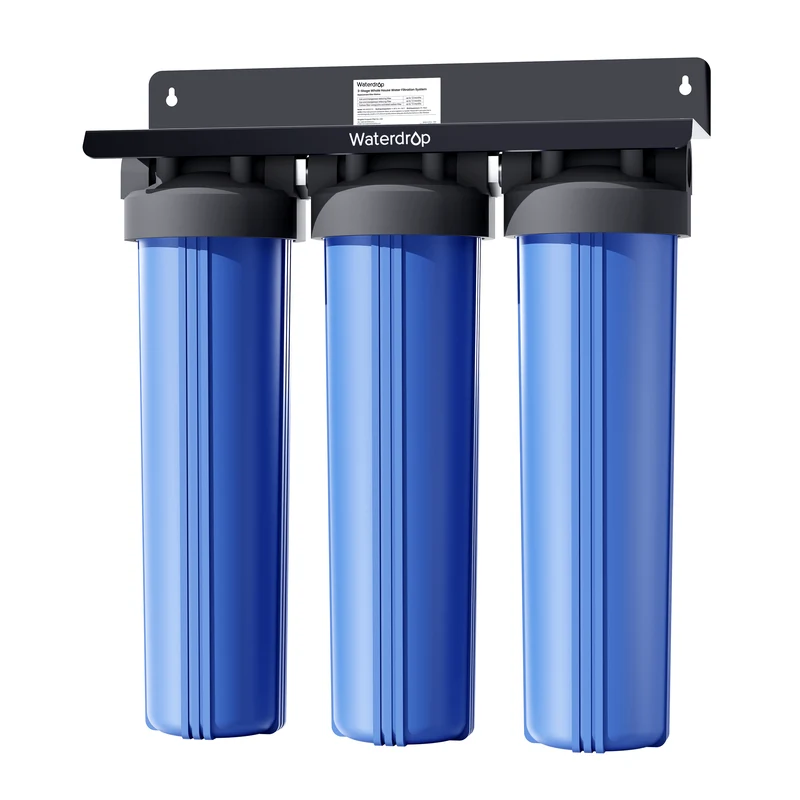
A certified lab test is the best way to know what you need. If you already want to act on a result, these picks match common findings: lead and PFAS, bacteria, hard water, and iron or manganese. Choose the one that fits your result. A filter is not a substitute for bottled water when a result is a health emergency (see E. coli and nitrate below).
Iron and manganese figures are SGS test results cited on Waterdrop’s product page, not a certification.
FindWaterLab may earn a commission if you buy through links on this page, at no extra cost to you. We only suggest treatment types that match your test result; always confirm with a retest from a certified lab.
Coliform or E. coli bacteria
What it means
Total coliform bacteria are common in soil and surface water. EPA notes that total coliforms are not a health threat in themselves; they are used to indicate that other, harmful microbes may be able to enter the water. E. coli and fecal coliform come from human or animal waste. Their presence means the water may carry pathogens that can cause diarrhea, cramps, nausea, or other illness, with higher risk for infants, young children, and people with weakened immune systems.
EPA number
EPA’s health goal (maximum contaminant level goal, or MCLG) for total coliforms, including E. coli, is zero. For public water systems, total coliform results are used as an indicator: under EPA’s National Primary Drinking Water Regulations table, no more than 5.0% of samples may be total-coliform positive in a month, or no more than one positive sample for systems that collect fewer than 40 samples a month. A confirmed E. coli result is treated as an acute problem.
First steps
If E. coli is confirmed: do not drink the water, and do not use it for brushing teeth or preparing food or infant formula. Use bottled water, and contact your local or state health department right away. If you are on city water, follow your utility’s notice (boil-water or do-not-drink) and the health department.
If only total coliform is present (no E. coli): do not ignore it. Retest with a certified lab to confirm. Inspect the well cap, casing, and area around the well for damage, ponding, or animal waste. Ask the health department or a licensed well contractor about disinfecting (shock-chlorinating) the well, then retest before you rely on the water.
Boiling can kill bacteria for drinking during a short-term city-water boil advisory. It is not a long-term well fix, and you should still find and correct the source.
What actually treats it
Ultraviolet (UV) disinfection inactivates bacteria, including E. coli, when the water is already clear enough for the light to work. Shock-chlorinating a well can clear a one-time contamination, but it will not fix a broken well cap or a recurring source. Reverse osmosis and water softeners are not reliable as the primary treatment for bacteria. A UV unit is a follow-on safeguard after you have stopped drinking the water and fixed the source — not the first move in an E. coli emergency.
Nitrate
What it means
Nitrate often comes from fertilizer, septic systems, or natural deposits. It is a special concern for infants.
EPA number
The EPA maximum contaminant level (MCL) and health goal (MCLG) for nitrate, measured as nitrogen, are both 10 mg/L (10 ppm). For nitrite, measured as nitrogen, both are 1 mg/L. EPA’s warning: infants below the age of six months who drink water containing nitrate or nitrite in excess of the MCL could become seriously ill and, if untreated, may die. Symptoms include shortness of breath and blue-baby syndrome.
First steps
If your result is above 10 mg/L nitrate-nitrogen, and an infant or someone who is pregnant lives in or visits the home: stop using the water for drinking and formula. Use bottled water. Contact your health department. Do not boil the water to make it safer; boiling concentrates nitrate.
Retest with a certified lab to confirm. If you have a well, ask about nearby septic systems, livestock, and fertilizer.
City-water customers can also call the utility and compare the result to the latest water quality report.
What actually treats it
Reverse osmosis at the drinking-water tap is the usual household treatment for nitrate. Water softeners, ordinary carbon pitchers, and typical whole-house sediment filters do not reliably remove nitrate. Treatment is something to arrange after infants and pregnant people are on bottled water — not instead of that first step.
Lead
What it means
Lead in drinking water usually comes from corrosion of household plumbing, fixtures, or service lines, not from the well itself. There is no safe amount for children.
EPA number
EPA’s health goal (MCLG) for lead is zero. Lead is regulated in public systems with a treatment technique and an action level of 0.015 mg/L (15 ppb). If more than 10% of tap samples exceed the action level, the water system must take additional steps. Beginning November 1, 2027, that action level becomes 0.010 mg/L (10 ppb) under EPA’s Lead and Copper Rule Improvements.
First steps
Retest with a certified lab, ideally a first-draw sample and a flushed sample, so you can tell plumbing from the incoming water.
Until you have a plan, use bottled water or a filter certified for lead reduction for drinking and cooking, especially for children and for infant formula.
Do not boil water to remove lead; boiling concentrates it.
For city water, ask the utility about service lines and the latest lead results.
What actually treats it
Point-of-use reverse osmosis, or another filter certified to reduce lead, at the drinking-water tap. Replacing lead pipes, fittings, or a lead service line addresses the source. A water softener is not a lead treatment.
Arsenic in well water is often natural, from rock and soil. Long-term exposure above the standard can damage skin and circulation and may increase cancer risk.
EPA number
EPA’s health goal (MCLG) for arsenic is zero. The maximum contaminant level (MCL) is 0.010 mg/L (10 ppb), in effect since January 23, 2006.
First steps
Retest with a certified lab to confirm.
If you are on a well, ask the lab or health department whether arsenic is common in your area and whether you should test other metals too.
If the result is above 10 ppb, use bottled water for drinking and cooking until treatment is in place.
City-water customers can compare the result with the utility report.
What actually treats it
Reverse osmosis at the drinking-water tap, or a system designed for arsenic (some use specialized media). Ordinary carbon pitchers and water softeners are not reliable for arsenic. Confirm after installation with another lab test.
Hardness is dissolved calcium and magnesium. It causes scale on fixtures and appliances and makes soap harder to lather. For most households it is a nuisance, not a toxic contaminant.
EPA number
EPA has not set a primary or secondary maximum contaminant level for hardness itself. A related secondary standard that people sometimes confuse with hardness is total dissolved solids (TDS) at 500 mg/L; EPA lists hardness, deposits, and staining among the noticeable effects of TDS above that guideline. These are aesthetic guidelines, not health limits.
First steps
This is not a health-department emergency.
If scale or soap scum bothers you, a hardness test (often reported as mg/L or grains per gallon as calcium carbonate) is enough to size a softener.
Retest if the number will be used to buy equipment.
What actually treats it
A water softener (ion exchange) is the standard treatment. Reverse osmosis can reduce hardness at a single drinking-water tap, but it is not a whole-house softener replacement. “Salt-free conditioners” are not the same as softeners; be cautious about claims.
PFAS (“forever chemicals”)
What it means
PFAS are a family of industrial chemicals that can persist in water and the body. They have been used in firefighting foam, manufacturing, and some consumer products.
EPA number
In the April 10, 2024 final National Primary Drinking Water Regulation, EPA set enforceable MCLs of 4.0 ppt (0.0000040 mg/L) for PFOA and for PFOS, with health goals of zero; 10 ppt (0.00001 mg/L) for PFHxS, PFNA, and HFPO-DA (GenX); and a unitless Hazard Index of 1 for mixtures of two or more of PFHxS, PFNA, HFPO-DA, and PFBS. EPA’s National Primary Drinking Water Regulations table (last updated August 31, 2026) still lists these limits. On May 18, 2026, EPA proposed to keep the PFOA and PFOS limits and to rescind the regulations for PFHxS, PFNA, HFPO-DA, and the Hazard Index mixture; those proposals were not a final change as of the August 31, 2026 table. Your state may have its own PFAS limits.
First steps
Confirm with a certified PFAS method (labs often use EPA Methods 533 or 537.1).
If results are above the PFOA or PFOS MCL, use bottled water or a treatment known to reduce PFAS for drinking and cooking, and ask the health department or utility what they recommend.
Private well owners near airports, military bases, fire-training sites, or certain industry may want a PFAS test even before a first detection.
What actually treats it
Reverse osmosis at the drinking-water tap, or a filter certified for PFAS (PFOA/PFOS) reduction. Ordinary pitcher filters and water softeners are not reliable unless they are specifically certified for PFAS. A typical whole-house sediment filter is not enough.
Iron and manganese are common in wells. They can stain fixtures and laundry and add a metallic taste. Iron often shows up as red or orange staining; manganese as black or brown.
EPA number
These are secondary (aesthetic) standards, not health-based MCLs. EPA’s secondary maximum contaminant level (SMCL) is 0.3 mg/L for iron and 0.05 mg/L for manganese. EPA does not enforce SMCLs; they are guidelines for taste, color, and odor.
First steps
This is usually not an emergency.
Retest if you plan to buy treatment, and ask the lab whether the iron is dissolved (clear water that stains later) or already oxidized (colored water). That choice drives the equipment.
What actually treats it
An oxidizing filter (or aeration followed by filtration) is the usual treatment for iron and manganese in well water. A water softener may help with modest amounts of dissolved ferrous iron, but it is not a substitute for an iron filter at higher levels. Reverse osmosis at a single tap can reduce iron in drinking water but will foul if iron is high; pretreat first. A typical whole-house sediment or carbon filter alone is often not enough.
Sulfur smell (rotten eggs)
What it means
A rotten-egg smell is usually hydrogen sulfide gas, or sometimes sulfur bacteria. It is unpleasant. It is not the same as a sulfate number on a lab report.
EPA number
EPA has not set a primary MCL for hydrogen sulfide. The secondary standard for sulfate is 250 mg/L (an aesthetic guideline). EPA also has a secondary guideline of 3 TON (threshold odor number) for odor in general.
First steps
Check whether the smell is only on hot water (often the water-heater anode) or on both hot and cold (often the well or groundwater).
A certified lab can test for related bacteria and sulfur compounds. If coliform or sulfur bacteria are present, ask about well disinfection.
Smell alone is not typically a bottled-water emergency, but do not ignore a result that also shows bacteria.
What actually treats it
An oxidizing filter, or aeration and filtration, for hydrogen sulfide in the groundwater. Replacing a decomposing water-heater anode can fix a hot-water-only smell. Shock-chlorination can help when bacteria are involved, followed by a retest. Carbon filters may mask a light odor but often do not last. Softeners and standard reverse osmosis are not the first tools for a strong sulfur smell.
Frequently asked questions
What does a coliform-positive well test mean?
Total coliform is a warning that the well may be vulnerable to contamination. If the test also shows E. coli or fecal coliform, EPA and CDC treat that as evidence of fecal contamination: use safe water, call your health department, find and fix the source, then disinfect and retest.
What should I do if my well tests high for nitrate?
Do not boil the water — boiling concentrates nitrate. Use a safe source for infant formula and for anyone told to avoid nitrate, and talk with a health professional. Treatment that can reduce nitrate includes reverse osmosis, ion exchange or distillation, after you retest to confirm the result. See filters for nitrate in well water.
Who can help me interpret my water test results?
Start with the lab’s report and the explanation on this guide, then ask the lab or your local or state health department about any result you do not understand. This site is not medical advice and does not replace a professional reading of your report.
A note on this guide
This is general information, not a diagnosis or a substitute for advice from a certified lab, a licensed well contractor, or your health department. Always confirm an unexpected result with a retest before you make a big decision. If you are unsure, call your local or state health department.